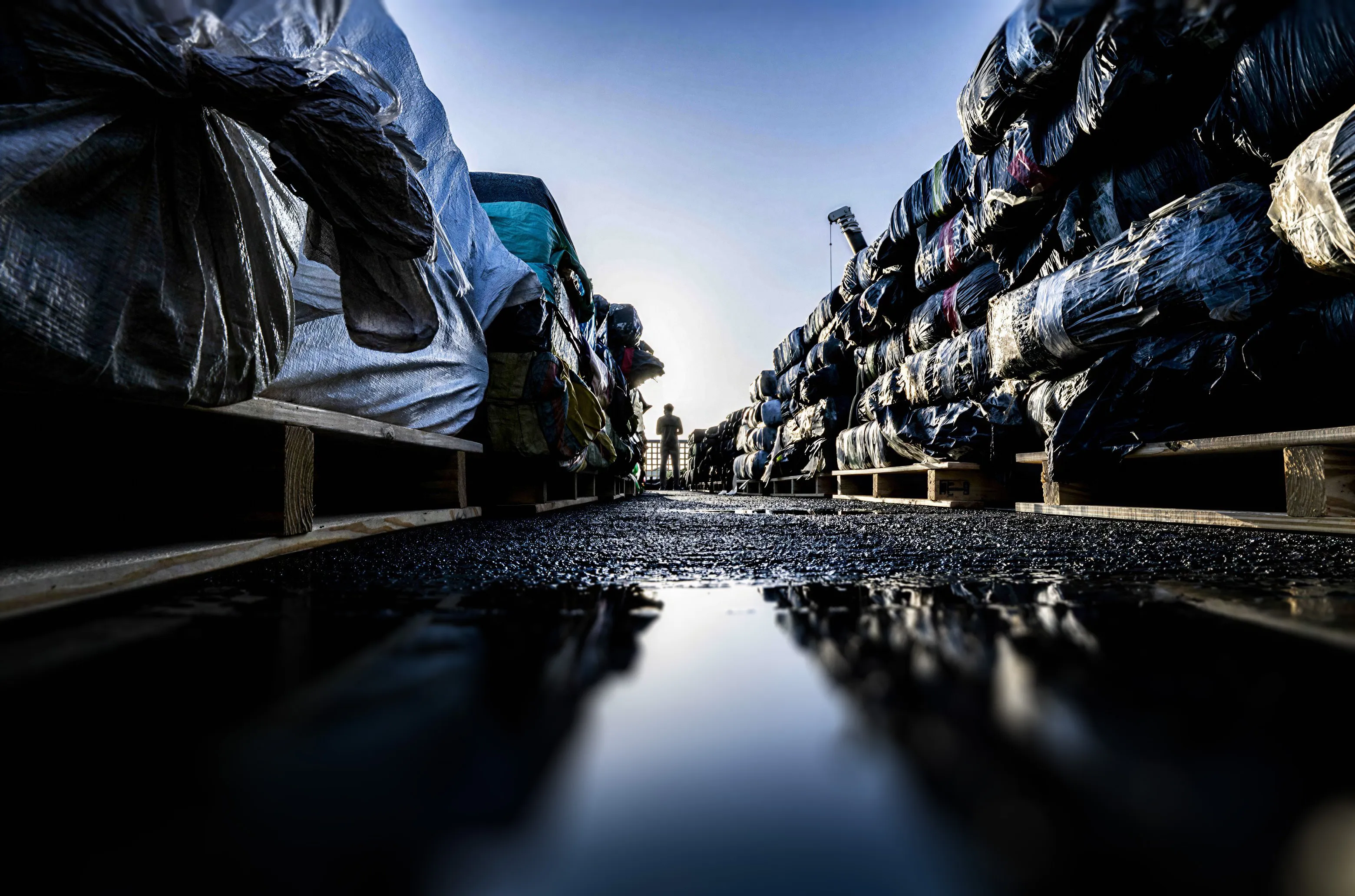
Homeland Security Task Force
The nation’s coordinated assault on
cartels.
Thirty regional task forces spanning every state and territory to dismantle drug trafficking, human smuggling, and violent cartel networks threatening American communities.
The threat doesn’t respect borders. The response has to match it.
Transnational criminal organizations don’t operate like domestic criminals. They move across jurisdictions, exploit gaps between agencies, and operate at a scale no single law enforcement body was built to handle alone. Fentanyl flowing into American communities. Cross-border trafficking networks. Cartel-controlled smuggling routes running directly into American cities. The Homeland Security Task Force was created to close those gaps — a permanent, unified federal response that operates everywhere these networks do.
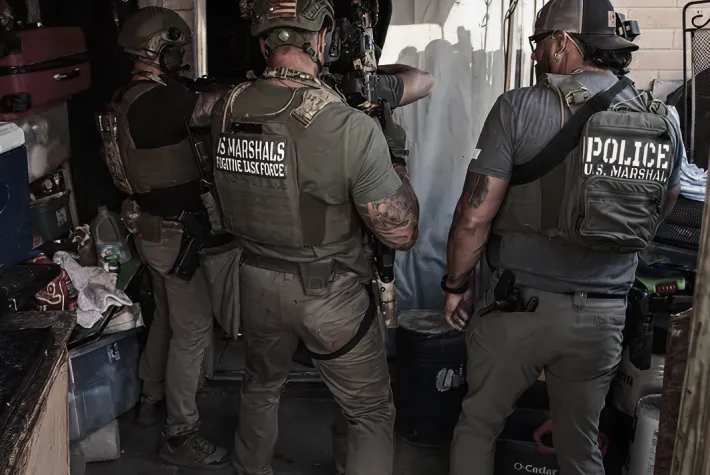
Six threat categories.
One coordinated response.
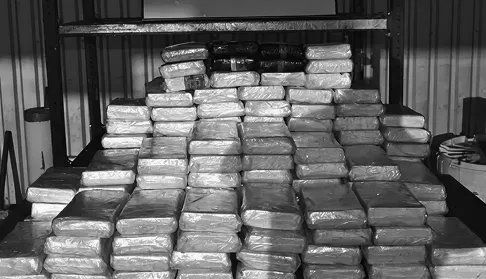
Narcotics & Contraband
Cartel-driven drug trafficking across borders and distribution networks — fentanyl, cocaine, methamphetamine, heroin.
Human Trafficking & Smuggling
Dismantling cross-border trafficking and smuggling networks. Priority focus: offenses involving children.
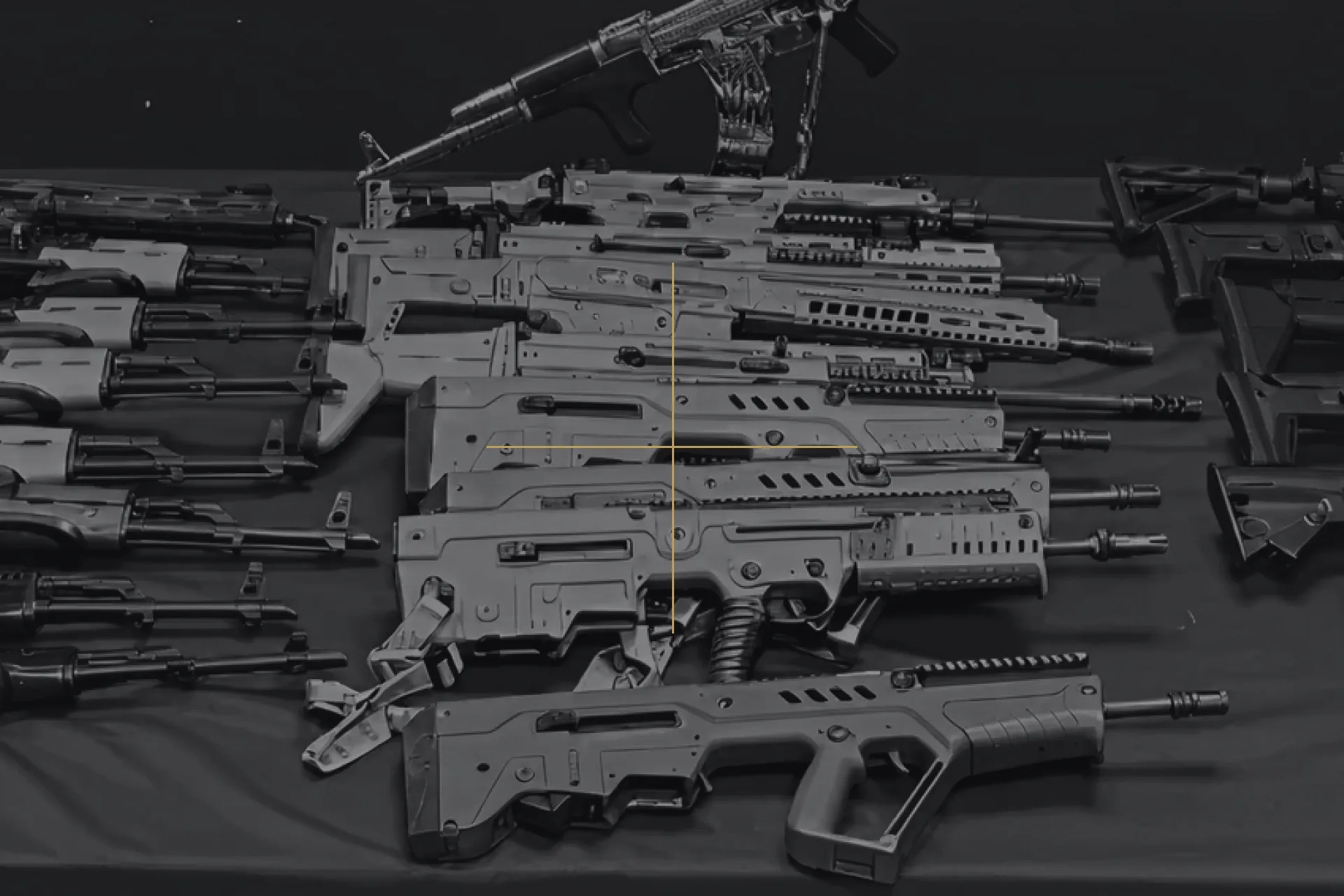
Weapons Trafficking
Intercepting illegal firearms flowing across international borders and into American communities.

Financial Crimes
Targeting the money — illicit proceeds, laundering networks, and terrorist financing that fund cartel and gang operations.
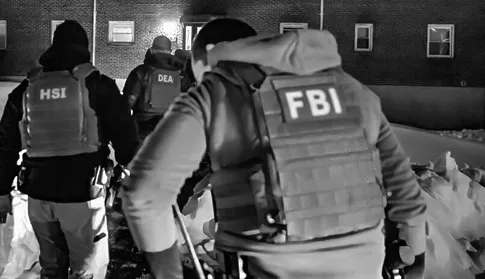
Transnational Gangs
Disrupting Foreign Terrorist Organizations including MS-13 and Tren de Aragua operating across national borders.
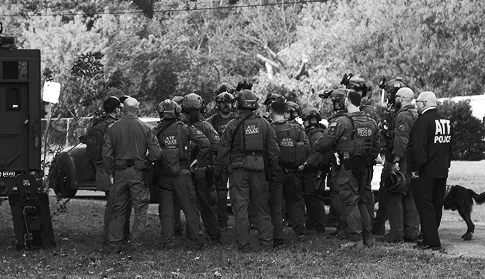
Intelligence Fusion
Combining intelligence community data with federal law enforcement investigations — for the first time at this scale.
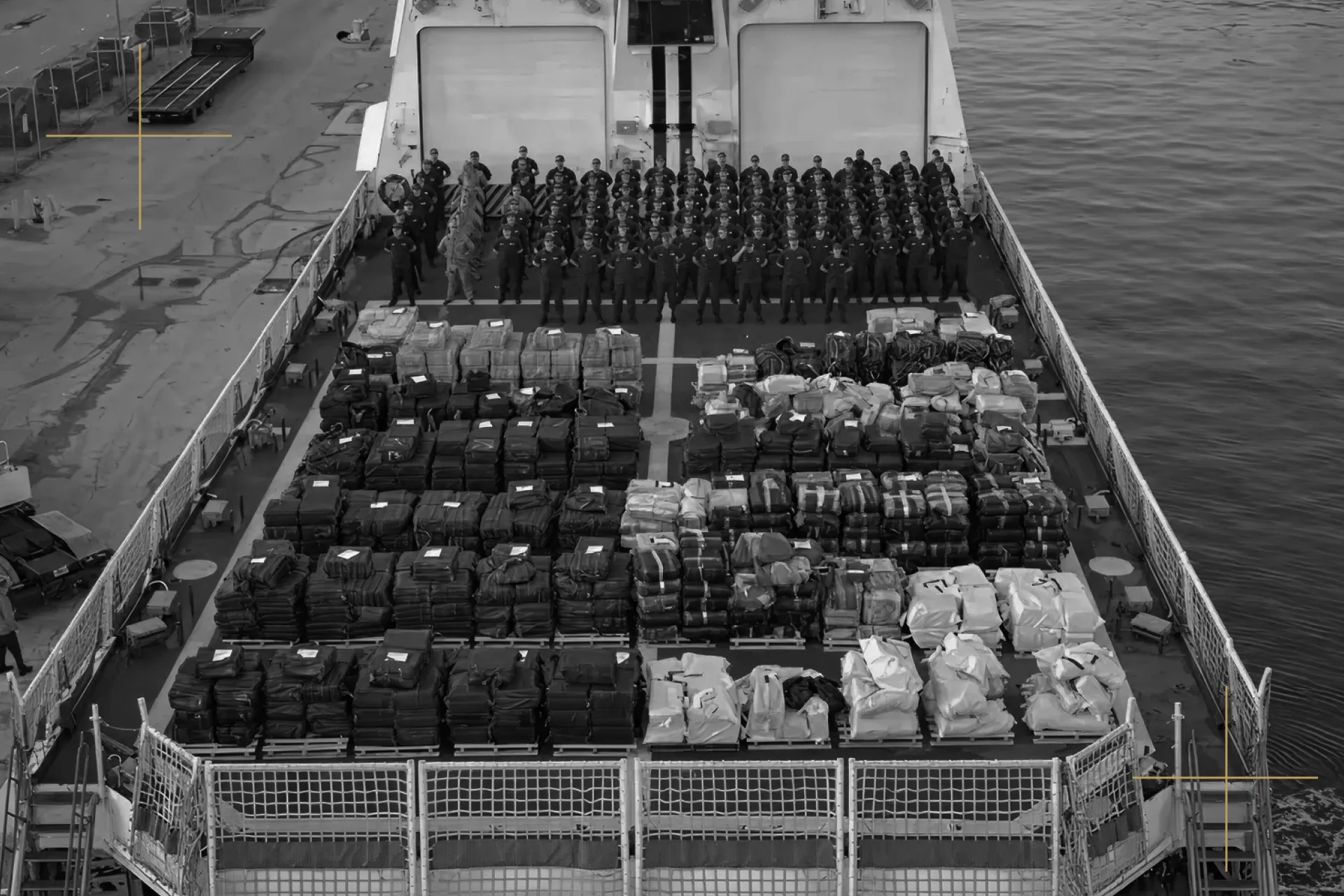
The September Surge: what six weeks of full operational capacity looks like.
Federal, state, and local law enforcement—working as one.
The task force is built around four interlocking structures that let 30 regional operations share intelligence, coordinate enforcement, and act in concert against national-level targets.
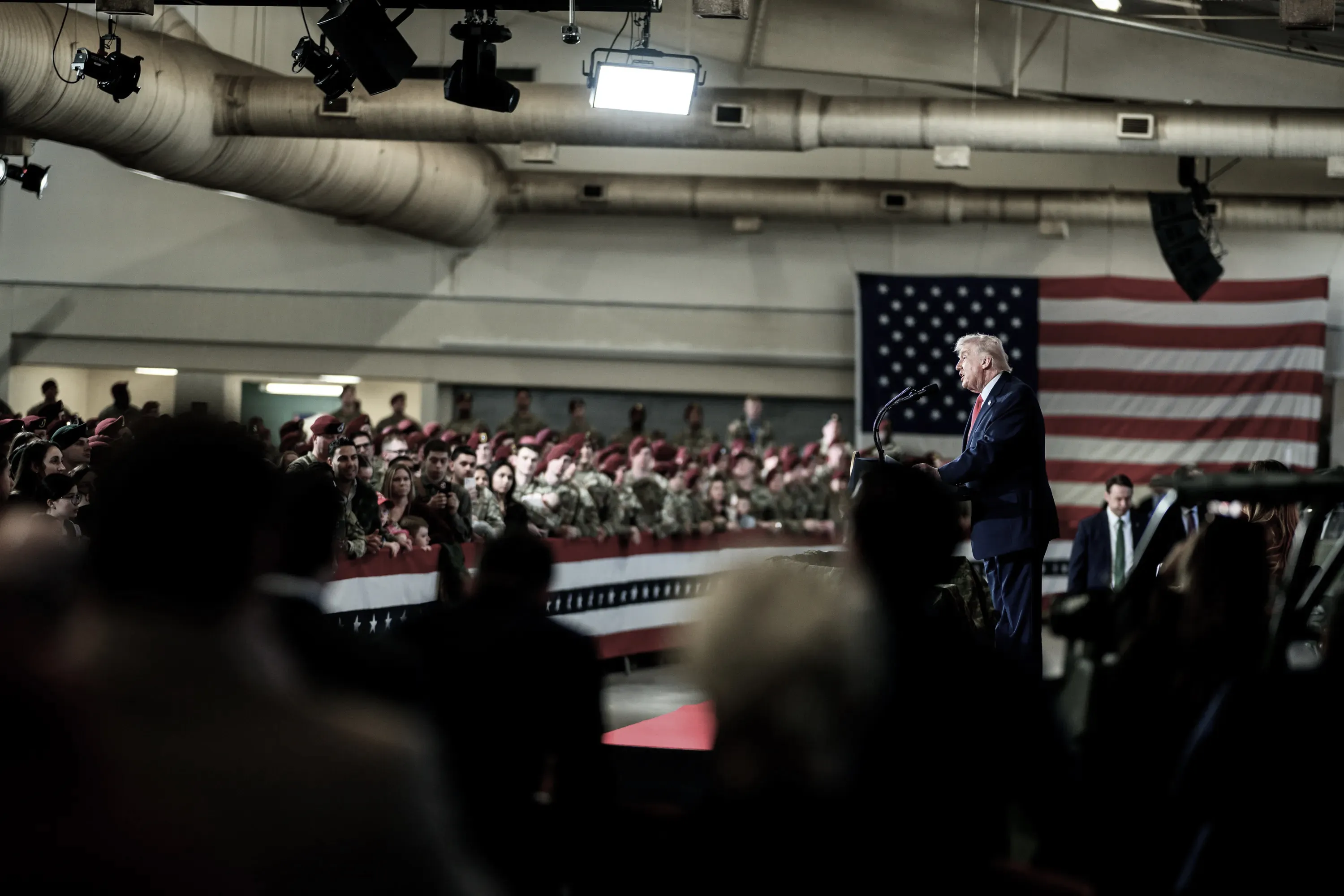
“For the first time, law enforcement will have a permanent task force in every state and territory nationwide.”
Donald J. Trump45th & 47th President of the United States
Nationwide coordination across 52 states and territories.
Twenty-plus federal agencies.
Hundreds of state, local, and international partners.
 Federal Bureau of Investigation
 Homeland Security Investigations
 Drug Enforcement Administration
 Bureau of Alcohol, Tobacco, Firearms & Explosives
 U.S. Marshals Service
 U.S. Postal Inspection Service
 U.S. Coast Guard
 Customs & Border Protection
 IRS Criminal Investigation
 Transportation Security Administration
 Department of State
 Natl. Counterterrorism Center
 Bureau of Prisons
 U.S. Citizenship & Immigration Services
 U.S. Secret Service
 Office of National Drug Control Policy
 Dept. of Labor, Office of Inspector General
 Department of War